Discovering a truly exceptional deli shop transforms your daily lunch routine from mundane necessity into anticipated pleasure. Quality deli shops provide more than convenient meal options – they offer expertly prepared foods using premium ingredients, knowledgeable service that enhances your experience, and community gathering spaces that enrich your connection to the neighborhood. Knowing what distinguishes exceptional deli shops from mediocre alternatives helps you identify establishments worthy of your time and loyalty.
Visual Indicators of Quality Deli Operations
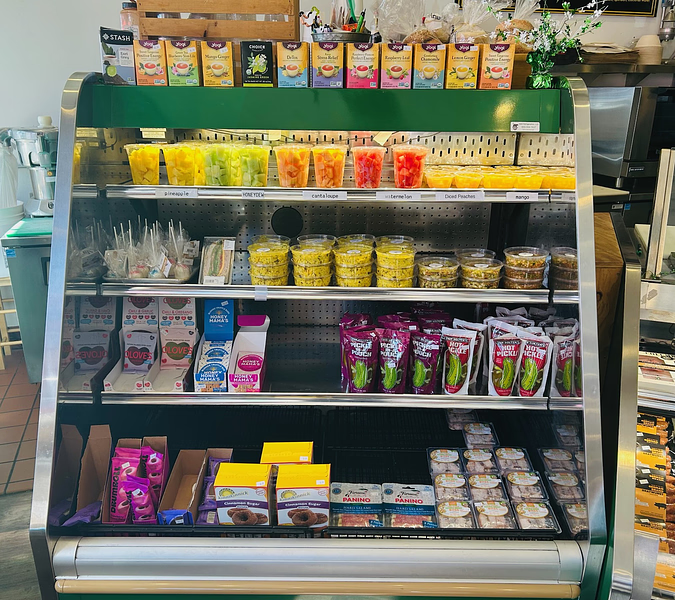
Walking into a quality deli shop reveals immediate visual cues about their commitment to excellence. Clean, well-organized display cases showcase products with pride rather than simply storing them for sale. The arrangement demonstrates attention to presentation and proper food handling that translates into better eating experiences.
Fresh ingredients displayed properly tell stories about the establishment’s priorities. Vibrant vegetables, properly aged cheeses, and carefully arranged meats indicate regular turnover and proper storage conditions. Wilted lettuce, dried cheese edges, or discolored meats signal problems that affect both food safety and flavor quality.
Professional equipment maintained in good condition suggests operational competence that extends to food preparation. Sharp slicers, clean preparation surfaces, and properly functioning refrigeration create the foundation for consistent quality that customers can depend on.
Staff appearance and behavior provide additional insights into operational standards. Clean uniforms, confident food handling, and knowledgeable responses to questions indicate training and professionalism that typically correlate with food quality.
Ingredient Quality Assessment
Premium ingredients form the foundation of exceptional deli experiences, making ingredient quality assessment crucial for identifying superior establishments. The difference between quality ingredients and mass-produced alternatives becomes apparent through careful observation and informed questioning.
Artisan breads display texture, color, and aroma characteristics that mass-produced alternatives rarely achieve. Quality bread feels substantial without being dense, shows appropriate browning and crust development, and releases appealing aromas that indicate proper fermentation and baking techniques.
Premium deli meats exhibit consistent coloring, appropriate moisture levels, and absence of visible preservatives or artificial additives. House-roasted options often show slight variations in color and texture that indicate individual attention rather than industrial processing.
Cheese quality becomes apparent through proper aging indicators, appropriate texture for each variety, and absence of artificial coloring or excessive processing. Quality cheese suppliers provide detailed information about sourcing, aging processes, and optimal serving conditions.
Service Standards and Staff Knowledge
Exceptional deli shops employ staff members who understand their products deeply and can guide customers toward choices that match their preferences and needs. This knowledge level distinguishes professional operations from establishments that simply sell pre-made products.
Staff should demonstrate familiarity with ingredient origins, preparation methods, and flavor profiles of different products. Their ability to suggest combinations, explain preparation techniques, and accommodate special requests indicates training and genuine interest in customer satisfaction.
Order accuracy and consistency reflect operational competence that extends beyond individual transactions. Quality deli shops maintain systems that ensure each customer receives exactly what they ordered, prepared to the same standards regardless of which staff member handles the transaction.
Response to special dietary needs or custom requests reveals operational flexibility and customer service priorities. The best deli shops accommodate reasonable modifications without compromising food safety or significantly slowing service for other customers.
Menu Variety and Specialization Balance
Quality deli shops balance comprehensive menu options with specialization that reflects their particular strengths. Too narrow a selection limits customer options, while excessive variety often indicates lack of focus that compromises quality across all offerings.
Traditional deli favorites should be available and expertly prepared, demonstrating mastery of classic techniques and combinations. These standards provide benchmarks for evaluating overall competence and attention to detail.
Specialty items or signature preparations indicate creativity and expertise that distinguish the establishment from generic alternatives. These offerings often showcase the owner’s background, regional influences, or particular skills that create memorable experiences.
Seasonal menu variations demonstrate responsiveness to ingredient availability and customer preferences. Quality operations adapt their offerings to highlight peak-season ingredients while maintaining core menu consistency.
Freshness Indicators and Turnover Rates
Product freshness directly impacts both food safety and flavor quality, making freshness assessment crucial for identifying quality deli operations. Several indicators help evaluate freshness standards and inventory management practices.
High customer volume during peak hours suggests popularity that typically correlates with quality and freshness. Popular establishments turn over inventory quickly, ensuring that products remain fresh and appealing.
Preparation timing for made-to-order items should balance speed with attention to detail. Extremely fast service may indicate pre-preparation that compromises freshness, while excessively slow service suggests inefficient operations or understaffing.
Product rotation practices become apparent through observation of staff behavior and product placement. Quality operations rotate stock appropriately and remove items that no longer meet freshness standards.
Pricing Structure and Value Assessment
Quality deli shops typically charge premium prices that reflect superior ingredients and skilled preparation. Understanding value propositions helps distinguish reasonable premiums from excessive markups that don’t correlate with improved quality.
Portion sizes should justify pricing while maintaining ingredient quality. Generous portions using premium ingredients provide better value than large portions of inferior products or small portions at premium prices.
Pricing transparency through clear menu displays and accurate order totals builds customer trust and indicates professional operations. Hidden charges or unclear pricing structures suggest business practices that may extend to other operational areas.
Value-added services like custom slicing, special preparations, or expert recommendations justify premium pricing by providing experiences that generic alternatives cannot match.
Cleanliness and Food Safety Standards
Food safety standards provide non-negotiable criteria for evaluating any food service establishment. Quality deli shops maintain cleanliness levels that exceed minimum requirements and demonstrate genuine commitment to customer health and safety.
Visible preparation areas should appear clean and organized, with appropriate separation between different food types to prevent cross-contamination. Staff should demonstrate proper food handling techniques including appropriate glove use and hand washing frequency.
Temperature control for refrigerated displays ensures food safety while maintaining optimal flavor and texture. Proper display temperatures, regular monitoring, and appropriate product rotation protect both quality and safety.
Cleaning schedules and procedures should be evident through the overall appearance of the establishment and the condition of equipment and surfaces. Quality operations maintain cleanliness standards throughout operating hours rather than just during off-peak periods.
Community Integration and Local Connections
Quality deli shops often serve as community gathering places where neighbors meet, relationships develop, and local culture flourishes. This community integration provides additional value beyond food sales and indicates genuine commitment to local success.
Local customer loyalty suggests consistent quality and service that meets community needs and preferences. Regular customers who engage in friendly conversations with staff indicate positive relationships built over time through reliable experiences.
Community involvement through local sourcing, event participation, or support for local organizations demonstrates commitment that extends beyond profit maximization. These connections often correlate with business practices that prioritize customer satisfaction and community benefit.
Local knowledge about customers’ preferences, dietary restrictions, and special occasions creates personalized service that enhances the overall experience while building lasting business relationships.
Consistency Across Multiple Visits
True quality reveals itself through consistency across multiple visits rather than single exceptional experiences. Quality deli shops maintain standards regardless of time of day, day of week, or seasonal variations that might affect other operations.
Product quality should remain consistent across different staff members and various times of day. This consistency indicates proper training, clear procedures, and management oversight that ensures reliable customer experiences.
Service levels should remain professional and knowledgeable regardless of busy periods or staff changes. Quality operations maintain service standards even during peak demand periods that challenge less well-managed establishments.
Menu availability and preparation quality should remain stable across multiple visits, indicating reliable supply chains and consistent preparation standards that customers can depend on.
Innovation and Adaptation
Quality deli shops balance tradition with innovation, maintaining classic offerings while adapting to changing customer preferences and ingredient availability. This balance demonstrates business acumen and culinary creativity that enhances long-term success.
New menu items or seasonal specialties should maintain the same quality standards as established offerings while providing variety that keeps regular customers engaged. Innovation should enhance rather than compromise the core strengths that built the establishment’s reputation.
Adaptation to dietary trends or restrictions demonstrates responsiveness to customer needs without abandoning the fundamental principles that define quality deli operations. These adaptations should feel natural rather than forced or commercially driven.
Technology integration for ordering, payment, or communication should enhance rather than complicate the customer experience while maintaining the personal service that distinguishes quality establishments from automated alternatives.
Building Long-Term Relationships
The best deli shops create environments where customers develop lasting relationships with both staff and other customers. These relationships transform routine food purchases into social experiences that enrich daily life and strengthen community connections.
Staff recognition of regular customers and their preferences creates personalized service that makes each visit feel special rather than transactional. This recognition should feel genuine rather than superficial or commercially motivated.
Customer loyalty programs or special considerations for regular patrons demonstrate appreciation while providing additional value that justifies continued patronage and premium pricing.
Word-of-mouth recommendations from satisfied customers provide reliable indicators of quality that advertising cannot match. Quality establishments earn positive recommendations through consistent performance rather than marketing efforts.
Finding quality deli shops near you requires patience, observation, and willingness to prioritize value over convenience or price alone. When you discover establishments that excel in ingredient quality, service standards, and community commitment, you gain access to food experiences that enhance your daily routine while supporting businesses that contribute positively to your neighborhood’s character and vitality.