
Rethinking Sandwich Construction
Central market sandwich menu concepts challenge the standard approach to deli sandwiches by treating each creation as a composed dish rather than a basic assembly of components. This shift in perspective produces sandwiches that taste more interesting and satisfying than typical market fare while maintaining the convenience factor that makes deli counters practical.
The building blocks receive careful selection and preparation. Proteins get seasoned and cooked in-house when possible rather than arriving pre-prepared from distributors. Vegetables get cut daily to maintain crispness and flavor. Spreads include house-made options that add distinctive flavor profiles rather than relying solely on commercial condiments. This investment in foundations means every sandwich starts from a strong base.
Bread selection plays a bigger role than most sandwich shops acknowledge. Different bread types suit different filling combinations, and matching them properly improves the eating experience significantly. Hearty breads stand up to moist fillings without becoming soggy, while lighter breads complement delicate ingredients without overwhelming them. The menu considers these pairings rather than treating bread as an interchangeable vessel.
Seasonal Adaptation in Sandwich Form
The approach to seasonal ingredients shows up throughout the sandwich menu. Rather than maintaining static offerings year-round using whatever produce is available, the menu shifts to feature items at their peak. This strategy produces better-tasting sandwiches while supporting the market’s broader commitment to seasonal shopping.
Summer sandwich specials incorporate tomatoes when they actually taste good, stone fruits during their brief season, and fresh herbs in abundance. These limited-time offerings provide variety for regular customers while ensuring ingredients perform at their best. The seasonality also creates anticipation, as favorite combinations return each year during their appropriate time.
Fall and winter sandwiches feature roasted vegetables, heartier greens, and ingredients that match cooler weather. Root vegetables, winter squash, and braised meats appear in combinations designed for cold days. The menu evolution tracks with what tastes appealing as seasons change, rather than fighting against natural cycles.
Spring brings lighter sandwiches with early greens, asparagus, and fresh flavors after months of storage crops. This transition signals renewal and aligns sandwich options with the broader shift toward warmer weather. The seasonal progression keeps the menu feeling current and connected to the local environment.
Vegetable-Forward Options That Satisfy
The sandwich menu includes substantial vegetarian and vegan options that work as main courses rather than afterthoughts. These sandwiches feature vegetables as central ingredients rather than trying to replicate meat products with processed substitutes.
Roasted vegetable sandwiches layer multiple varieties prepared to bring out their natural sweetness and depth. Eggplant, peppers, zucchini, and other vegetables get roasted with herbs and olive oil, creating satisfying fillings that don’t need meat to feel complete. Spreads and cheeses add richness and tie flavors together.
Grain-based fillings appear in some vegetarian sandwiches, providing protein and substance. These might include options like falafel-style patties, seasoned grain salads, or legume spreads. The preparations avoid the dry, bland quality that gives vegetarian sandwiches a bad reputation at many delis.
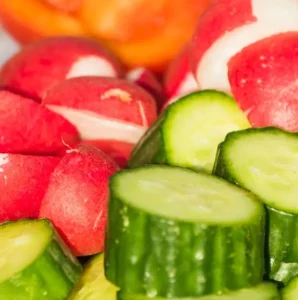
Fresh vegetable sandwiches work during warmer months, featuring raw vegetables with flavorful spreads and cheeses. These lighter options suit hot days and active lifestyles. The combinations go beyond basic lettuce and tomato, incorporating ingredients like sprouts, avocado, cucumber, and various greens.
Protein Selections That Stand Out
Meat-based sandwiches benefit from quality sourcing and proper preparation techniques. Rather than using the cheapest available deli meats, the sandwich program prioritizes products from better producers using more ethical practices. This choice affects both flavor and the experience of eating.
Roasted meats prepared in-house offer significantly better taste and texture than pre-cooked products. Turkey, chicken, and beef get seasoned and cooked specifically for sandwich use, then sliced to appropriate thickness. This level of control over protein preparation levels up the sandwich quality substantially.
Some sandwiches feature proteins beyond standard deli offerings. Grilled chicken provides a different texture and flavor than roasted or deli-sliced options. Pulled pork or braised meats appear in special sandwiches. Cured meats like prosciutto or salami from quality producers add variety. This broader protein selection keeps the menu interesting.
The protein portions get calibrated appropriately for sandwich size and price point. Rather than skimping to cut costs or overloading to appear generous, the menu aims for balanced proportions where protein content makes sense relative to other ingredients. This attention to ratios produces better-eating sandwiches.
Condiment & Spread Innovation
House-made spreads distinguish these sandwiches from typical deli offerings. While standard condiments remain available, the menu features spreads developed specifically to complement sandwich combinations. These additions add moisture, flavor, and interest beyond what commercial products provide.
Herb-based spreads might include options like basil aioli, cilantro lime crema, or dill sauce. These preparations tie together sandwich components while adding distinctive flavors. The fresh herb content produces brighter taste than dried seasonings can deliver.
Vegetable-based spreads turn produce into condiments that add nutrition along with flavor. Roasted red pepper spread, eggplant puree, or artichoke tapenade provide alternative moisture sources that pair well with various proteins and vegetables. These spreads work particularly well in vegetarian sandwiches where they add richness.
Traditional condiments get uplifted treatment. House-made mustards, specialty pickles, and flavored mayonnaises offer more interesting versions of familiar items. These upgrades improve sandwiches without making them unrecognizable to customers who want classic combinations.
The Made-to-Order Advantage
Assembling sandwiches to order rather than in advance produces noticeably better results. This approach requires more labor and creates slightly longer wait times, but the quality improvement justifies the trade-off. Fresh assembly means ingredients maintain their individual characteristics rather than melding together in wrapped packages.
Bread stays crusty and fresh rather than becoming soft and soggy. Lettuce and other raw vegetables retain crunch. Spreads remain distinct rather than soaking into bread. Hot ingredients stay hot and cold components stay cold when layered properly. These details matter to the eating experience even though they might seem minor.
Made-to-order preparation also allows for customization without complicated systems. Customers can request adjustments, omit ingredients they dislike, or add extras. This flexibility serves people with allergies, strong preferences, or specific dietary goals. The staff can execute these modifications as part of normal workflow rather than treating custom orders as exceptions.
Sides & Additions That Complete Meals
The sandwich menu integrates with other deli offerings to create complete meal options. Soups pair naturally with half sandwiches for satisfying lunch combinations. Salads complement sandwiches for customers wanting more vegetables. This menu coordination helps people assemble balanced meals suited to their needs.
Grab-and-go sides like chips, pickles, and fruit offer quick additions for customers in a hurry. These items come from quality producers rather than standard wholesale options, maintaining consistency with the sandwich program’s focus on better ingredients.
Beverage options from the broader market pair well with sandwiches. Fresh juices, local sodas, craft beer, and other drinks allow customers to complete their meal in one stop. The convenience of this coordinated offering adds value beyond individual item quality.
Value in the Context of Mountain Dining
Sandwich pricing reflects quality ingredients while remaining reasonable for the area. Compared to sit-down restaurant prices in Tahoe, these sandwiches offer similar food quality at significantly lower costs. The value proposition becomes particularly strong for families or groups where restaurant meals quickly become expensive.
The portion sizes provide substantial meals rather than leaving customers hungry shortly after eating. This aspect of value matters as much as price, since inadequate portions effectively increase the per-meal cost. The sandwiches fill people up appropriately for the price point.
For locals who eat lunch out regularly, consistent quality and fair pricing make these sandwiches practical options rather than occasional treats. This accessibility contributes to building regular customer relationships while serving the daily needs of the community.
Contribution to Tahoe’s Food Scene
The sandwich menu demonstrates that markets can produce food that competes with dedicated restaurants on quality while maintaining convenience and value advantages. This model expands dining options in the area beyond the traditional restaurant-or-fast-food binary.
The focus on real ingredients and skilled preparation raises expectations for what grocery deli food can be. Rather than accepting mediocrity as inevitable in the category, this approach shows that sandwiches deserve the same attention to quality as other prepared foods.
For visitors discovering the sandwich menu, the experience often contradicts assumptions about market food. The surprise of genuinely good sandwiches from a grocery deli creates positive impressions that extend to perceptions of the broader market and area. These small details contribute to making Tahoe feel special beyond scenic views and outdoor recreation.