
Beyond the Big Box Experience
Grocery stores south lake tahoe visitors often overlook sit tucked along residential streets and in neighborhood centers, far from the busy commercial corridors dominated by national chains. These smaller markets offer shopping experiences that reflect the character of mountain living, with carefully selected inventory that serves both locals and visitors who want more than standardized retail.
The distinction between hidden gem markets and conventional supermarkets goes beyond size. These stores operate with different priorities, emphasizing quality relationships over maximum efficiency, curated selection over endless variety, and community integration over corporate protocols. Finding these markets requires looking past familiar chain logos, but the effort rewards shoppers with better products and more satisfying experiences.
Markets That Source From Mountain Farms
Several smaller grocery stores in the South Lake Tahoe area maintain direct relationships with farms throughout the Sierra Nevada and Nevada valleys. These partnerships enable stores to stock produce picked the same day it appears on shelves, a freshness advantage impossible for chains operating through regional distribution centers.
Seasonal eating becomes natural at these markets because inventory follows harvest cycles rather than year-round global sourcing. Spring brings asparagus and early greens, summer delivers stone fruits and tomatoes at peak ripeness, fall features squash and root vegetables, and winter highlights storage crops and greenhouse production. This connection to growing seasons helps shoppers eat better while supporting agricultural systems adapted to regional conditions.
The farms supplying these stores often practice sustainable methods that prioritize soil health, water conservation, and biodiversity. Some use organic certification, while others follow similar practices without formal designation. Store staff can explain sourcing for specific items and often know the farmers personally, creating transparency that builds trust.
Specialty Departments Worth Seeking Out
Hidden gem grocery stores distinguish themselves through specialty departments that receive focused attention. Rather than treating every section as a commodity category, these markets develop areas of expertise that become shopping destinations.
Deli sections at these stores prepare food with restaurant-level attention to ingredients and technique. Sandwich menus change with available produce, soups get made from scratch in small batches, and salads feature combinations you won’t find at chain store counters. The staff assembling these items typically have culinary training or long experience, resulting in food that tastes noticeably better.
Cheese sections at quality small markets offer carefully curated selections from artisan producers. Rather than stocking 200 mediocre options, these stores carry 40 or 50 excellent cheeses with staff who can explain flavor profiles, suggest pairings, and help customers discover new favorites. Similar curation applies to other specialty sections like olive oils, vinegars, and condiments.
Prepared meal sections at hidden gem markets cater to active lifestyles without compromising nutrition. Options include protein-focused salads, grain bowls with roasted vegetables, and entrees made with whole ingredients rather than processed components. These meals work for post-hike refueling, evening convenience, or grabbing breakfast before heading to the mountain.
Coffee, Juice, & Beverage Programs
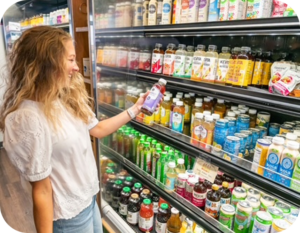
Many of the better small grocery stores in South Lake Tahoe incorporate juice bars or coffee counters that serve as both revenue centers and community gathering spots. These sections offer fresh-pressed juices made to order, smoothies blended with real fruit, and coffee from local roasters.
The juice programs at these markets go beyond basic orange juice, featuring green mixes with leafy vegetables, immunity-boosting combinations with ginger and turmeric, and fruit-forward options for those avoiding vegetables. Made-to-order preparation means you can adjust sweetness levels, add protein supplements, or create custom combinations.
Coffee programs at small markets often partner with Tahoe-area roasters, ensuring freshness and supporting local businesses. Some stores rotate guest roasters to expose customers to different styles and origins. The baristas at these counters tend to know regular customers’ preferences and can prepare drinks efficiently during morning rushes.
Beer and wine selections at hidden gem stores reflect owner expertise rather than corporate buying programs. These sections feature craft breweries from the region, natural wines, and interesting bottles you won’t see at every store. Staff can make recommendations based on food pairings or flavor preferences rather than relying on shelf tags written by distributors.
Health-Focused Product Selection
Small grocery stores in South Lake Tahoe typically emphasize health and wellness products. Organic produce occupies proportionally more space than at chain stores, supplement sections carry practitioner-grade brands, and prepared foods avoid artificial ingredients and excessive processing.
This focus aligns with the lifestyle priorities of mountain communities where outdoor recreation and physical activity form central life elements. Shoppers need foods that support active lifestyles, provide sustained energy, and deliver actual nutrition rather than empty calories. The product mix at these stores reflects this reality.
Bulk sections at health-oriented markets allow customers to purchase exactly the quantities they need while avoiding packaging waste. Bins hold nuts, seeds, grains, legumes, dried fruits, and specialty items. This approach saves money on frequently used ingredients while supporting environmental goals.
Supporting Mountain Town Economics
Shopping at locally-owned grocery stores keeps more money circulating within the community. These businesses employ local residents, purchase from regional suppliers, and typically reinvest profits in the area rather than transferring wealth to distant corporate headquarters.
The economic impact extends to the broader local food system. When stores buy from nearby farms, those farmers can continue operating and possibly expand. When stores feature products from local makers, those small businesses gain retail channels and revenue. This interconnected network creates economic resilience that benefits all community members.
Independent stores also contribute to maintaining the character of mountain towns. As chain retailers homogenize commercial districts, locally-owned markets preserve the distinct identity that makes places like South Lake Tahoe special. Supporting these businesses helps ensure the area retains its mountain town feel rather than becoming indistinguishable from suburban anywhere.
Finding These Markets
Locating hidden gem grocery stores requires exploring beyond main commercial zones. Many sit in residential neighborhoods, near beaches, or along less-traveled roads. Asking locals for recommendations often yields the best results, as residents know which stores offer superior products and service.
Some indicators suggest a store worth investigating: parking lots with local license plates rather than rental cars, bustling activity during off-peak hours, and visible fresh produce sections near entrances. Stores that post information about local farms, host community events, or display local art typically reflect the values that make small markets special.
Social media presence can reveal store personality and priorities. Markets posting about new seasonal items, farm deliveries, and special preparations demonstrate active engagement with food quality. Customer reviews mentioning staff by name, specific products, or community involvement indicate stores building relationships rather than just processing transactions.
Shopping Strategies for Small Markets
Getting the most from hidden gem grocery stores involves some adjustment for shoppers accustomed to warehouse-scale supermarkets. Selection runs narrower but deeper, with fewer brands in each category but better quality among options available. This requires trust in store curation rather than comparison shopping across dozens of similar products.
Visit frequency often increases at small markets because shopping becomes pleasant rather than a chore to minimize. Stopping by a few times per week for fresh items and specific needs works better than trying to accomplish monthly stock-up trips. This pattern actually aligns well with mountain lifestyles where activities and weather create variable schedules.
Building relationships with staff levels up the experience significantly. Learning names, asking about products, and requesting recommendations creates connections that improve service and often leads to notifications about special items or advance notice of seasonal favorites.
The Role of These Markets in Mountain Communities
Hidden gem grocery stores serve functions beyond retail. They act as community gathering spots, information exchanges, and expressions of local values. These markets demonstrate that commercial activity can strengthen community bonds rather than existing separate from social life.
As South Lake Tahoe faces growth pressures and development, these stores are an alternative retail model grounded in place and relationship. Supporting them helps maintain the qualities that make mountain living appealing while ensuring future generations can access the same type of community-centered commerce.