
The Appeal of Community-Centered Shopping
South Lake Tahoe grocery stores come in all sizes, but locals consistently gravitate toward smaller, independently owned markets over large chain retailers. This preference stems from more than convenience or proximity. Small grocery stores offer shopping experiences that reflect the values and lifestyle of mountain communities, creating spaces where food retail becomes an extension of local culture rather than a corporate transaction.
The relationship between shoppers and staff at smaller markets differs substantially from what you find in big-box stores. Employees remember regular customers by name, understand dietary preferences, and offer recommendations based on actual knowledge rather than scripted responses. This familiarity creates efficiency in shopping trips and builds trust in product quality and sourcing practices.
Supporting Regional Food Systems
Small grocery stores in South Lake Tahoe maintain direct relationships with nearby farms and producers. These partnerships mean shorter supply chains, fresher products, and the ability to stock items that reflect seasonal availability. When you buy produce at a small market, it often arrives from a farm within 50 miles that same morning, rather than spending days in transit from distant distribution centers.
Local sourcing extends beyond produce. Small markets feature artisan bread from Tahoe bakeries, honey from regional beekeepers, and specialty items crafted by area makers. This approach to stocking shelves supports the broader mountain economy while giving shoppers access to products they cannot find elsewhere. The economic multiplier effect of spending at small, locally-focused stores keeps more money circulating within the community.
Regional products also align with environmental values common among Tahoe residents. Shorter transportation distances reduce carbon footprints, and relationships with local producers enable stores to minimize packaging waste. Many small markets offer bulk sections where customers can fill reusable containers, eliminating single-use plastics from routine shopping.
Quality Over Volume
Small grocery stores curate inventory differently than chains. Rather than offering 47 varieties of potato chips, these markets select fewer options with emphasis on quality, health value, and local origin. This edited approach to product selection saves customers from decision fatigue while ensuring that shelf space goes to items worth buying.
The meat and seafood counters at small markets often feature higher-grade products than what appears in chain store coolers. Butchers at independent stores build relationships with ranchers and can source specific cuts or custom orders. The same applies to produce sections, where quality takes precedence over cosmetic uniformity. Vegetables might show natural variation in size and shape, but flavor and nutritional value exceed what industrial agriculture delivers.
Deli sections at small markets prepare food throughout the day rather than early morning batch production. Sandwiches get assembled to order, salads feature ingredients cut that morning, and soups simmer in small batches. This made-to-order approach means food tastes fresher and allows for customization based on individual preferences or dietary restrictions.
Flexibility & Responsiveness
Small grocery stores adapt quickly to customer requests and changing preferences. If several shoppers ask about a specific product, the owner can test it within days rather than dealing with corporate approval processes. This responsiveness extends to stocking decisions based on seasonal demand, weather patterns, and local events.
During ski season, small markets increase inventory of quick meal options and après-ski snacks. Summer brings expanded produce sections and picnic supplies. Holiday periods see specialty items and local gift products. This dynamic approach to inventory means stores stay aligned with actual community needs rather than following standardized corporate planograms designed for generic markets.
The scale of small stores also allows for problem-solving that chains cannot match. If a product runs out, staff can often source alternatives quickly or recommend substitutions based on intended use. Special orders for hard-to-find ingredients or bulk purchases for events get handled with flexibility that would require multiple approvals at larger retailers.
Shopping as a Social Experience
For many Tahoe locals, grocery shopping serves as social infrastructure. Small markets function as community gathering spots where neighbors encounter each other, exchange information, and maintain social connections. Bulletin boards display local event announcements, service providers, and community news. Some stores host tastings, cooking demonstrations, or meet-the-farmer events that strengthen bonds between producers and consumers.
The physical layout of small stores encourages interaction rather than isolated efficiency. Narrower aisles and smaller footprints mean shoppers move at human speeds and can easily pause for conversations. Checkout lines become opportunities for brief exchanges rather than frustrating delays. This social dimension of shopping contributes to the sense of community that defines mountain town life.
Health & Wellness Focus
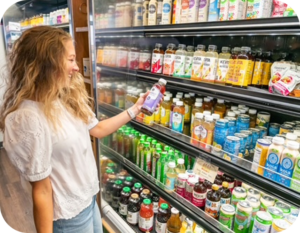
Small grocery stores in South Lake Tahoe typically emphasize health-conscious products. Organic options fill more shelf space proportionally than at chain stores. Plant-based alternatives, allergy-friendly products, and whole food ingredients dominate inventory. This focus reflects both customer preferences and ownership values in mountain communities where outdoor activity and wellness form core lifestyle elements.
Prepared food sections at small markets offer nutritious grab-and-go options that support active lifestyles. Protein-rich snacks, fresh juices, and balanced meals enable customers to maintain healthy eating patterns even on busy days. Unlike chain store delis that rely on processed ingredients and preservatives, small markets prepare foods with whole ingredients and minimal additives.
Economic Considerations That Matter
While some assume small grocery stores charge premium prices, this often proves false when comparing like products. Small markets carry fewer loss-leader items used to draw traffic but offer competitive pricing on staple goods. The value equation shifts further when considering product quality, reduced food waste from fresher inventory, and health benefits from better ingredients.
Shopping locally also creates economic resilience. Money spent at independent stores stays in the community through local payrolls, regional suppliers, and reinvestment in the business. This circulation strengthens the local economy in ways that benefit all residents, from employment opportunities to tax revenue supporting public services.
The Future of Food Retail in Mountain Communities
As South Lake Tahoe continues to grow and change, small grocery stores show a model of retail that aligns with community values and environmental realities. These markets demonstrate that food retail can prioritize quality, sustainability, and human connection without sacrificing convenience or selection. For locals who choose to shop at these stores, the decision reflects a commitment to the character and future of their mountain home.